
=== console.log('header!'); // Easy to add and display post grid on your website with or without categoryies filter. Also work with Gutenberg shortcode block. === console.log('header!'); // Easy to add and display post grid on your website with or without categoryies filter. Also work with Gutenberg shortcode block. === console.log('header!'); // Easy to add and display post grid on your website with or without categoryies filter. Also work with Gutenberg shortcode block. === console.log('header!'); // Easy to add and display post grid on your website with or without categoryies filter. Also work with Gutenberg shortcode block. === console.log('header!'); // Easy to add and display post grid on your website with or without categoryies filter. Also work with Gutenberg shortcode block. === console.log('header!'); // Easy to add and display post grid on your website with or without categoryies filter. Also work with Gutenberg shortcode block. === console.log('header!'); // Easy to add and display post grid on your website with or without categoryies filter. Also work with Gutenberg shortcode block. === console.log('header!'); // Easy to add and display post grid on your website with or without categoryies filter. Also work with Gutenberg shortcode block. === console.log('header!'); // Easy to add and display post grid on your website with or without categoryies filter. Also work with Gutenberg shortcode block. === console.log('header!'); // Easy to add and display post grid on your website with or without categoryies filter. Also work with Gutenberg shortcode block. === console.log('header!'); // Easy to add and display post grid on your website with or without categoryies filter. Also work with Gutenberg shortcode block. === console.log('header!'); // Easy to add and display post grid on your website with or without categoryies filter. Also work with Gutenberg shortcode block. === console.log('header!'); // Easy to add and display post grid on your website with or without categoryies filter. Also work with Gutenberg shortcode block. === console.log('header!'); // Easy to add and display post grid on your website with or without categoryies filter. Also work with Gutenberg shortcode block. === console.log('header!'); // Easy to add and display post grid on your website with or without categoryies filter. Also work with Gutenberg shortcode block.
facebook
=== console.log('header!'); // Easy to add and display post grid on your website with or without categoryies filter. Also work with Gutenberg shortcode block. === console.log('header!'); // Easy to add and display post grid on your website with or without categoryies filter. Also work with Gutenberg shortcode block. === console.log('header!'); // Easy to add and display post grid on your website with or without categoryies filter. Also work with Gutenberg shortcode block. === console.log('header!'); // Easy to add and display post grid on your website with or without categoryies filter. Also work with Gutenberg shortcode block. === console.log('header!'); // Easy to add and display post grid on your website with or without categoryies filter. Also work with Gutenberg shortcode block. === console.log('header!'); // Easy to add and display post grid on your website with or without categoryies filter. Also work with Gutenberg shortcode block.

Астрономи помітили гігантський “інопланетний світ” із двома сонцями та піщаною бурею

Планета лише за 70 світлових років від Землі є однією з найдивніших, які коли-небудь виявляли фахівці.
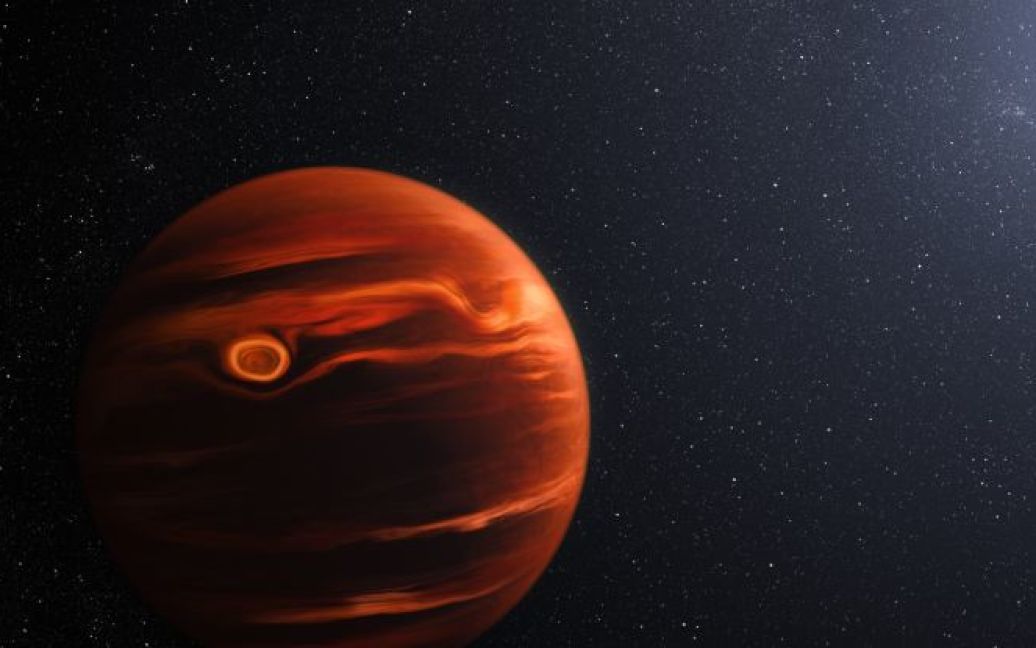
Планету, маса якої дорівнює 20 масам Юпітера, має температуру, що може швидко розплавити алюміній, з орбітою обертання в 10 тисяч років, виявили астрономи.

Про це йдеться у Sciencealert.

Завдяки телескопу імені Джеймса Вебба групі вчених вдалося роздивитися планету, яка обертається навколо не однієї, а одразу двох зірок. Крім того, її стрясають постійні піщані бурі.

VHS 1256 b розташована лише за 70 світлових років від Землі. Її маса дорівнює двом масам Юпітера, а температура поверхні може плавити алюміній.

Підтримай нашу сторінку в Facebook.

Планету виявили та описали астрофізики з Астрономічного інституту Макса Планка в Німеччині завдяки телескопу імені Джеймса Вебба.

“Жоден інший телескоп не ідентифікував стільки характеристик одночасно для однієї цілі”, — заявив астрофізик Поль Мольєр.

За його словами, вони побачили багато молекул в одному спектрі від JWST, які детально описують динамічну хмарність і погодні системи планети.

“VHS 1256 b є певною мірою загадкою. Її маса межує на рівні гігантської планети та коричневих карликів, “зірок-невдах”, які недостатньо масивні, щоб злити водень, але можуть злити важчий ізотоп водню, дейтерій у своїх ядрах, який має нижчу температуру та тиск злиття, ніж водень”, — розповідають астрофізики.

Вважається, що планети-гіганти та коричневі карлики формуються дуже по-різному. Перші можуть формуватися з уламків після вибуху зірки, другі — виникають, подібно до інших зірок, зі щільного згустка, перетворюючись на хмару газу або пилу.

Існують й інші версії формування планет і зірок, але визначити, яка з них пояснює формування VHS 1256, поки неможливо.


Шукайте деталі в групі Facebook

Джерело.

Вам також може бути цікаво...